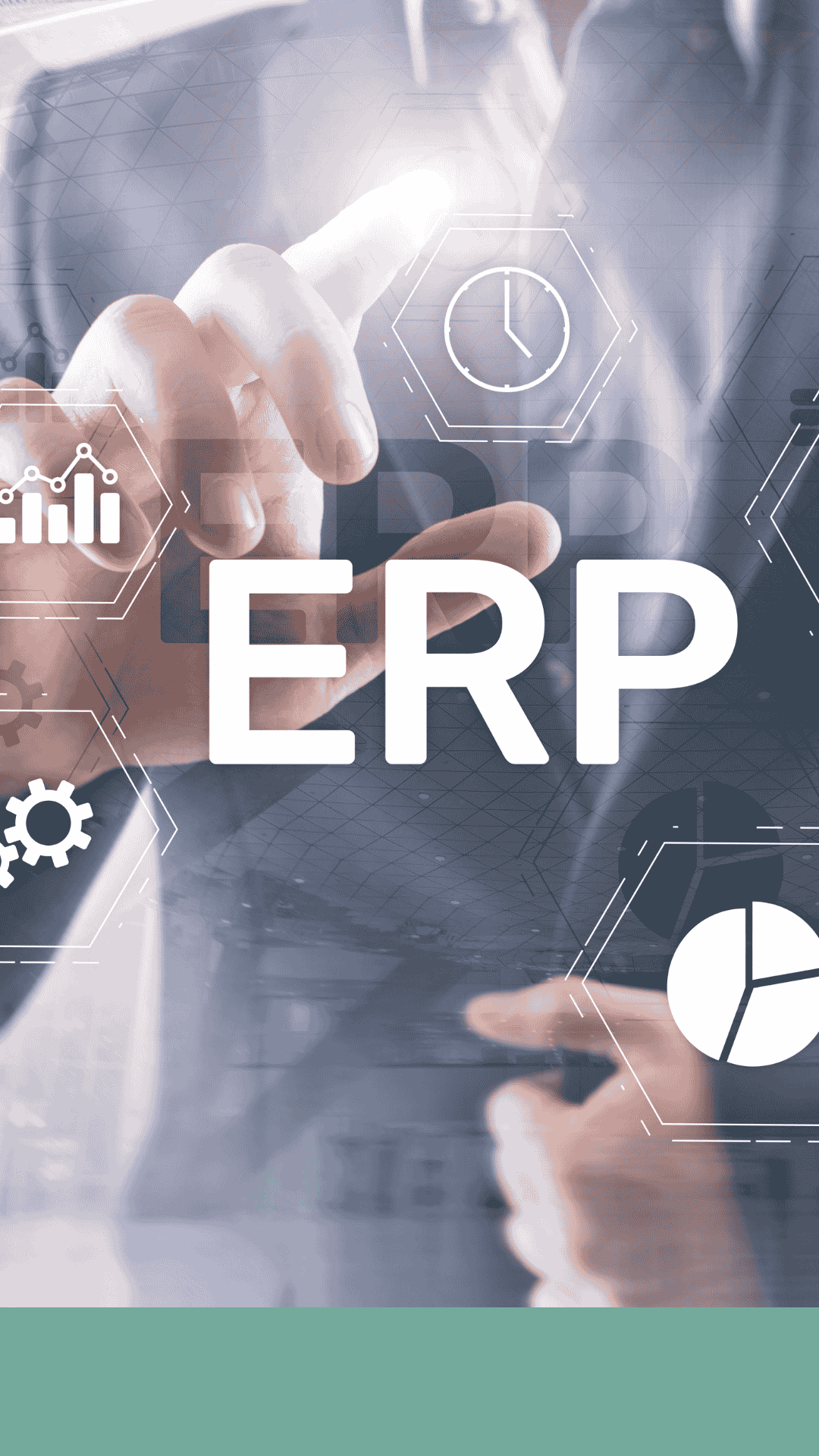








What Is an ERP System? Why Does Your Company Need It, and How Important Is It?
In today’s business world, with increasing competition and rapid technological advancement, companies are in urgent need of smart systems that help them manage their resources efficiently and achieve optimal results at the lowest possible cost. One of the most prominent of these systems is the Enterprise Resource Planning (ERP) system, which is considered one of the most important administrative and technological solutions adopted by organizations of all sizes.
What Is an ERP System?
An ERP system is an integrated software solution designed to manage and organize all core business processes within a company through a single unified platform. These processes include human resources management, accounting and finance, purchasing, inventory, sales, production, and customer service. Instead of using separate systems for each department, an ERP system connects all departments to one central database, allowing information to flow smoothly and accurately across the organization.
How Does an ERP System Work?
An ERP system relies on entering data only once, after which it is automatically updated across all connected modules. For example, when a sales transaction is recorded, inventory levels, financial accounts, profit reports, and even customer data are updated instantly. This level of integration reduces human errors, ensures data accuracy, and makes information easily accessible at any time.
Why Does Your Company Need an ERP System?
Companies need an ERP system for several essential reasons, including:
- Improved operational efficiency: The system helps automate routine processes, reducing the time and effort spent on manual tasks.
- Data unification: ERP provides a single, reliable source of information, minimizing data inconsistencies and errors.
- Better decision-making: Through real-time reports and analytics, managers can make strategic decisions based on accurate data.
- Cost reduction: The system helps reduce waste, improve inventory management, and monitor expenses more effectively.
- Enhanced internal communication: It strengthens collaboration between departments by enabling real-time data sharing.
How Important Is an ERP System?
The importance of an ERP system lies in the fact that it is a strategic tool rather than just a technical program. It helps companies grow and expand in an organized manner and provides high flexibility to adapt to market changes. It also enhances transparency and internal control, reducing operational and financial risks.
In addition, an ERP system contributes to improving customer experience by speeding up processes, reducing errors, and delivering more accurate and higher-quality services. It also supports compliance with laws and regulations by documenting processes and providing clear, traceable records.
Is an ERP System Suitable for All Companies?
Contrary to popular belief, ERP systems are not limited to large enterprises only. They have become accessible to small and medium-sized businesses as well, thanks to cloud-based solutions and flexible pricing models. ERP systems can be customized to fit the needs of each company, whether it is a startup or a large corporation.
Conclusion
In conclusion, an ERP system is one of the fundamental pillars of success for companies in the digital age. It goes beyond organizing operations; it improves overall performance, supports sustainable growth, and enhances competitiveness. Investing in an ERP system is an investment in the company’s future, efficiency, and long-term stability.